Team Skills Are the Operating Layer for AI Product Engineering
A team Skill system defines what agents read, produce, verify, and write back so AI-assisted product engineering becomes governable.
5 min
共 151 篇文章
A team Skill system defines what agents read, produce, verify, and write back so AI-assisted product engineering becomes governable.
A practical evaluation guide for SGLang, focused on LLM inference serving, operating boundaries, failure behavior, and production readiness.
OpenSpec turns vague AI coding requests into reviewable Change artifacts, giving long-running agents a safer control surface.
A local coding agent stack needs operational boundaries around model serving, harness behavior, filesystem access, telemetry, and rollback.
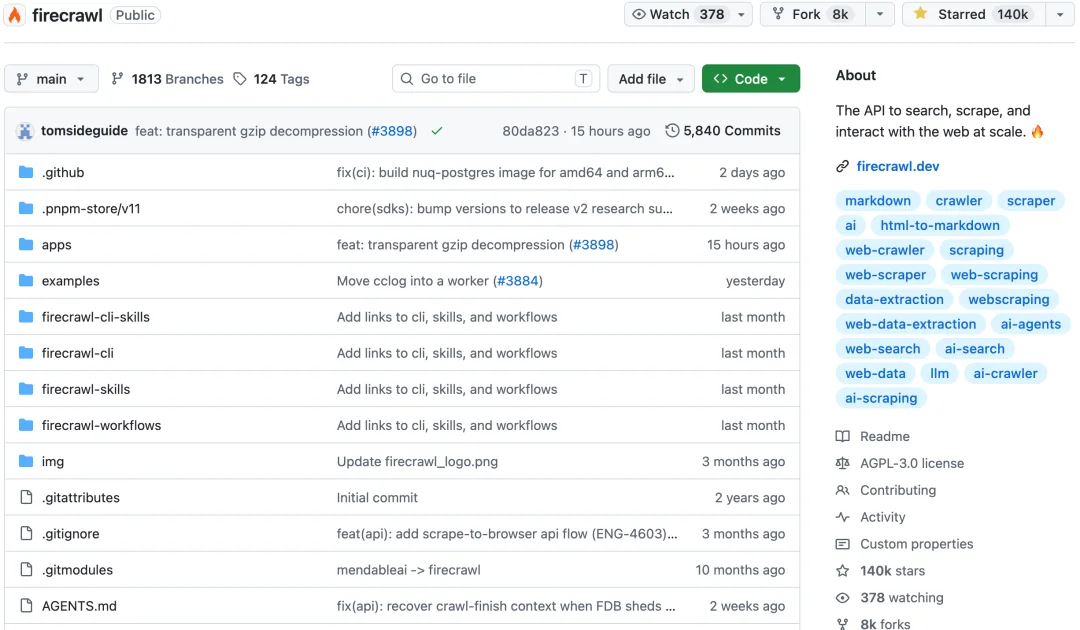
A product-operations view of Firecrawl: search, scrape, crawl, structure, and screenshot web data so agents can run recurring research and monitoring workflows.
A product-operations take on loop-driven development: the real challenge is not making agents run longer, but defining completion, risk zones, stop rules, and accountability.
A product-operations view of Hermes MoA: multi-model reasoning is useful when it becomes a review checkpoint for high-risk agent work, not a default way to make every answer longer.
Why AI IDEs, terminals, scripts, and file outputs often beat generated GUIs for internal tools, data workflows, automation, and agent-native software work.
A practical analysis of book-to-skill: how turning PDFs, docs, and internal references into Agent Skills can reduce context waste and make technical knowledge usable inside coding agents.
CasaOS is best understood as a local-first home infrastructure model: easy to start, useful for files and media, but still dependent on backups, security, and recovery planning.
A detailed product-operations analysis of pm-skills: how AI can support discovery, strategy, execution, launch, and growth without replacing accountable product judgment.
A detailed guide for indie builders using Cloudflare-based mail systems: what works, what does not, and how to structure custom domain email safely.
A practical evaluation guide for taste skills, focused on AI-assisted product design review, operating boundaries, failure behavior, and production readiness.
A practical evaluation guide for frontier model delays, focused on AI product planning, operating boundaries, failure behavior, and production readiness.
A small-product reading of Agnes AI’s free multimodal API: cheap generation turns images and long context into material for timers, onboarding, campaign drafts, and personal tools.
A practical security-operations reading of Claude Mythos: the real issue for small teams is faster exploit validation compressing patch and incident-response windows.
A product-operations review of Claude Tag: why Slack context, async follow-up, permissions, and audit logs matter more than chatbot novelty.
A 10 minute mail address gives you a temporary inbox for moments when a website asks for email but you do not want to expose your primary address. tempmail.ee k
Browser agents waste tokens and time when they revisit the same sites as if every session were the first visit. site-memory adds a narrow, practical memory loop for website navigation: stable selectors, interaction paths, pitfalls, and confirmation points that agents can recall, verify, and update across repeated tasks.
OpenPencil is interesting not because it can generate a UI from a prompt, but because it treats design as a JSON-based, diffable, programmable artifact. Its .op files, canvas, CLI, MCP server, orchestrated agents, and code export targets move AI-assisted design closer to Git, review, automation, and real engineering workflows.