OpenViking is a governance boundary for agent memory, not just another RAG store
OpenViking uses viking:// namespaces, layered context, and MCP access to turn agent memory and RAG into governable infrastructure.
5 min
共 151 篇文章
OpenViking uses viking:// namespaces, layered context, and MCP access to turn agent memory and RAG into governable infrastructure.
JetBrains Koog is best understood as a Kotlin/JVM-native boundary for production agent workflows, with graph orchestration, MCP tools, memory, and observability.
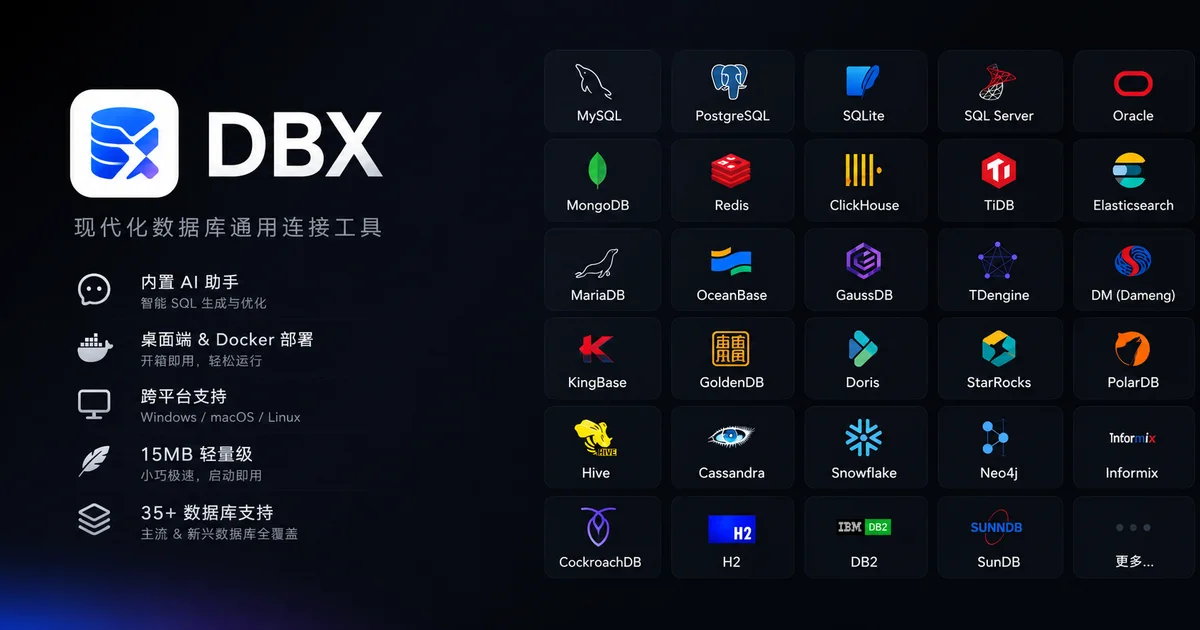
DBX combines a lightweight database client, Docker self-hosting, AI SQL, MCP, and CLI access; its real value is a governed database access layer for humans and agents.
A differentiated look at Uptime Kuma as an outside-in availability contract monitor for small teams, rather than a replacement for logs, metrics, and tracing.
ByteByteGo system-design-101 is most valuable when teams use diagrams to challenge assumptions, mark failures, and clarify ownership instead of copying architecture patterns.
The macOS/x64 JDK port leaving maintenance should be handled as a support-matrix and engineering governance issue, not as a one-day compatibility scare.
A practical review of Netcatty -assisted SSH workspace, with emphasis on workflow consolidation, SFTP ergonomics, and safety boundaries around AI execution.
A practical look at LiteParse as a local-first document ingestion layer: where it saves cost, where complexity detection helps, and where heavier parsing is still necessary.
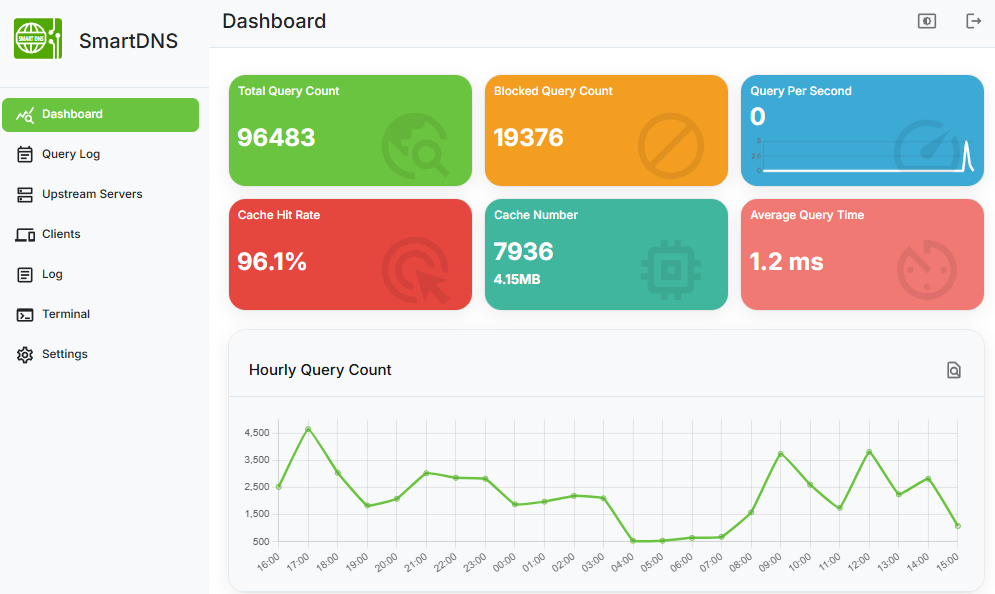
A practical checklist for deciding whether SmartDNS belongs in a router or home-lab network, with attention to measurement, topology, and failure modes.

Design galleries give agents examples, but Google Labs’ design.md shows why AI UI work also needs a formal, validated file format for design context.

Pixel2Motion is worth watching because it treats logo motion as a pipeline: raster source, clean SVG, animation, preview, and QA evidence.
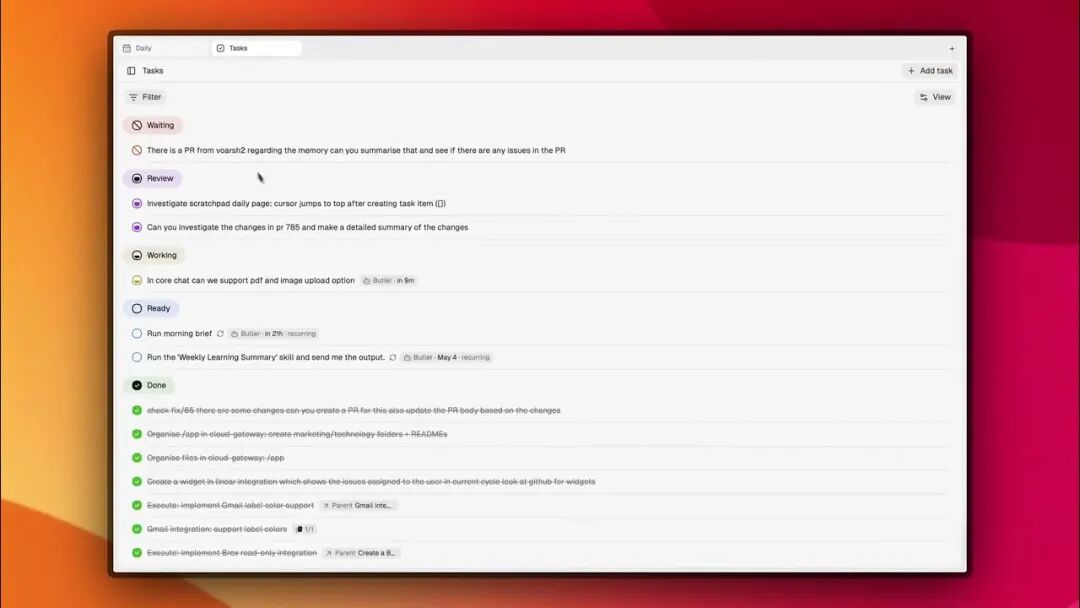
CORE’s architecture points to the operational issues every proactive assistant will face.
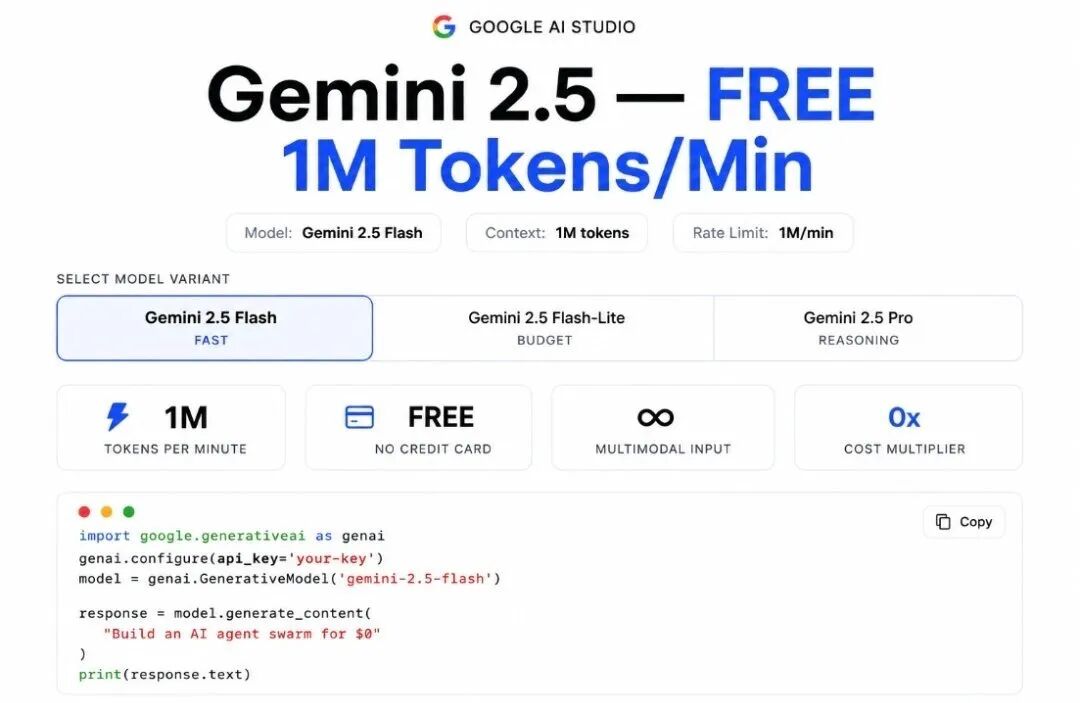
Gemini’s free tier shows how model providers buy developer attention, and why builders still need exit paths.
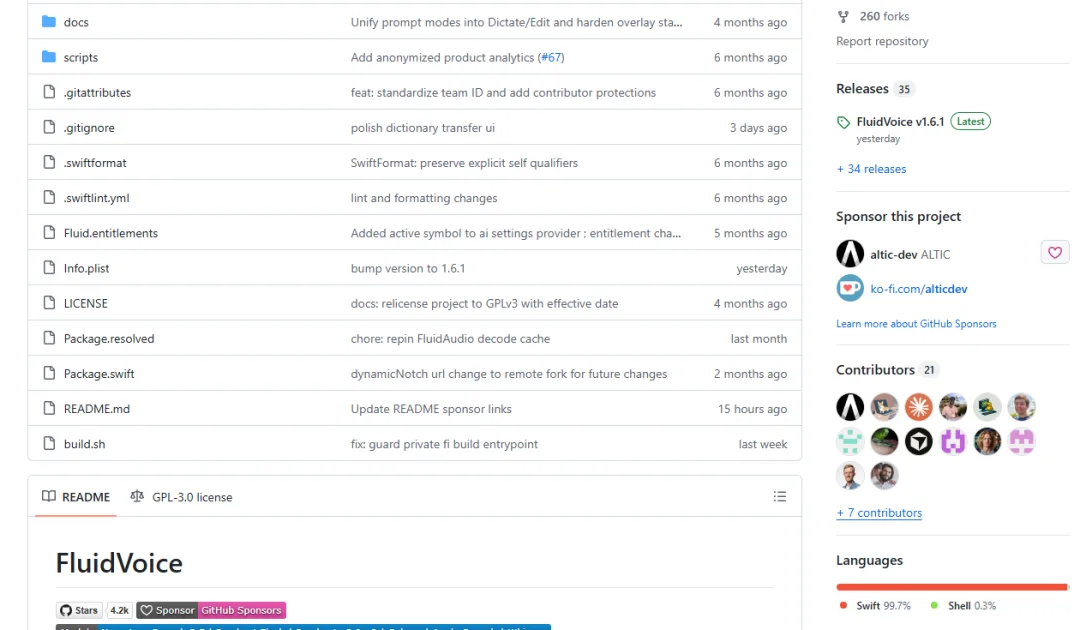
FluidVoice shows why privacy, latency, and app context matter more than raw transcription demos.
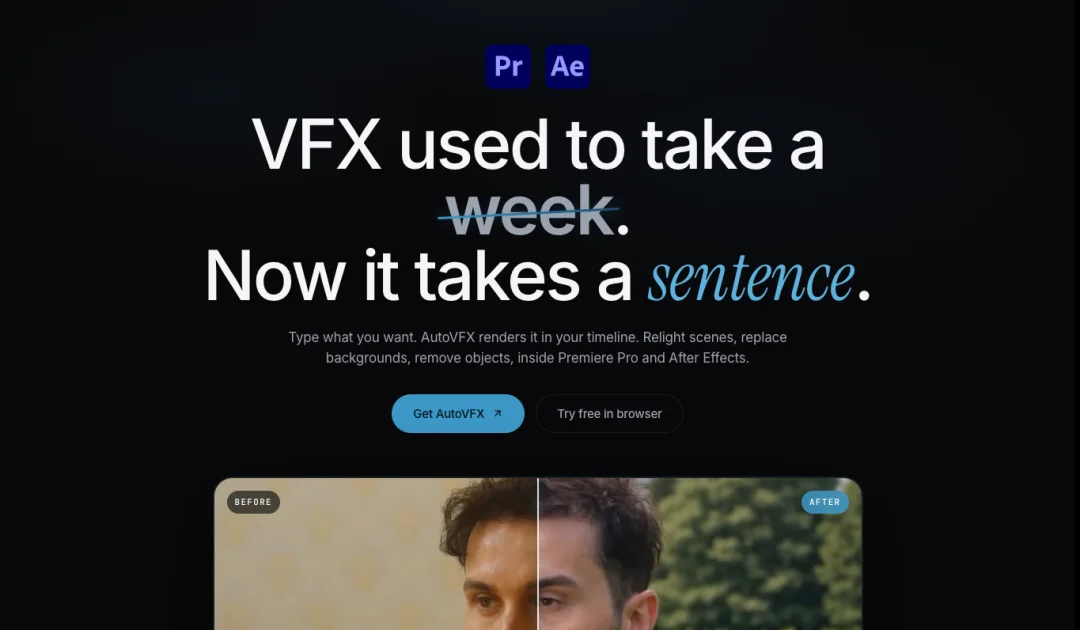
AutoVFX shows why professional workflow intent can be more valuable than mass traffic.
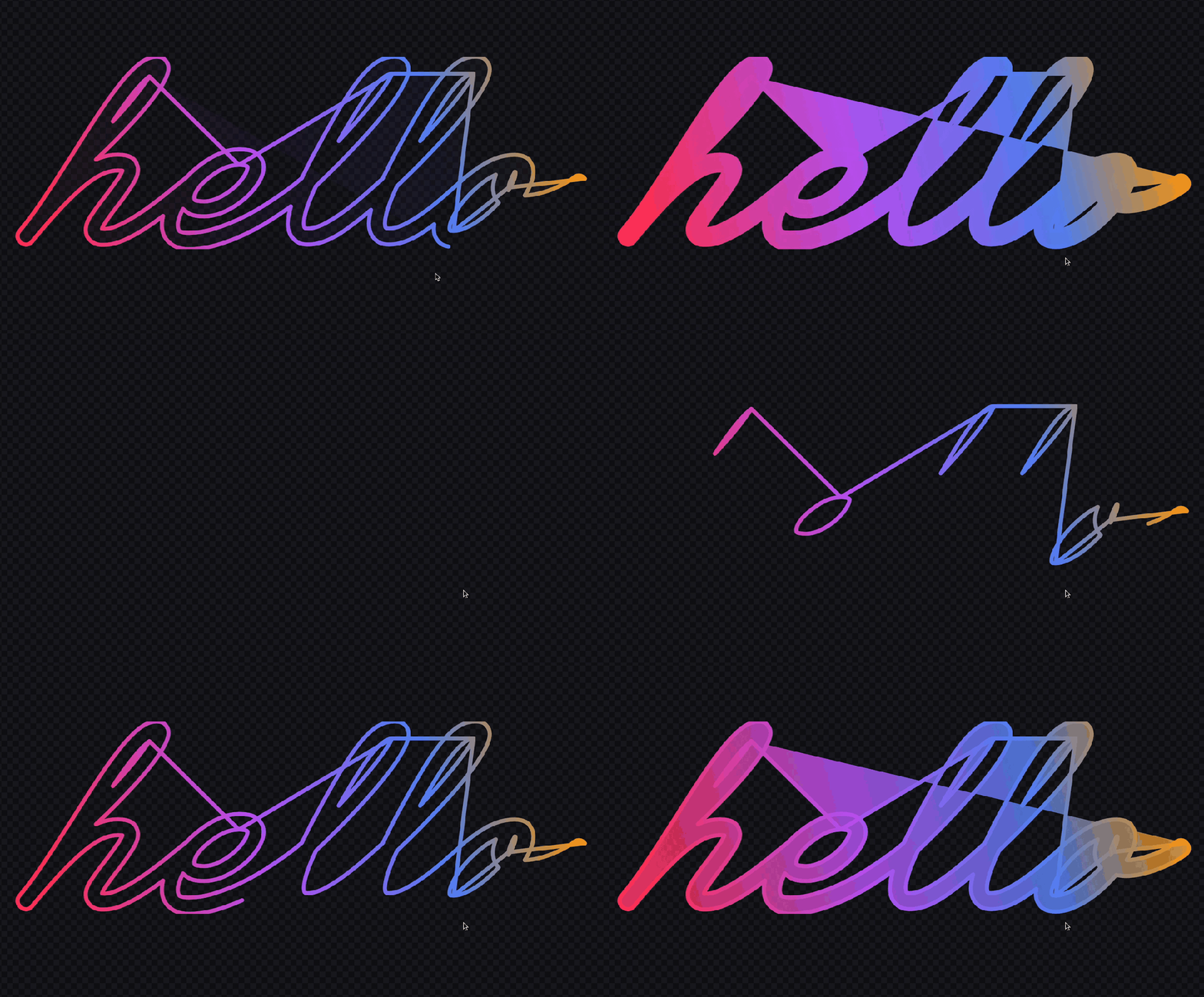
A product-operations view of Text-to-Lottie: the point is not only generation, but the preview-and-correct loop that makes small motion usable.
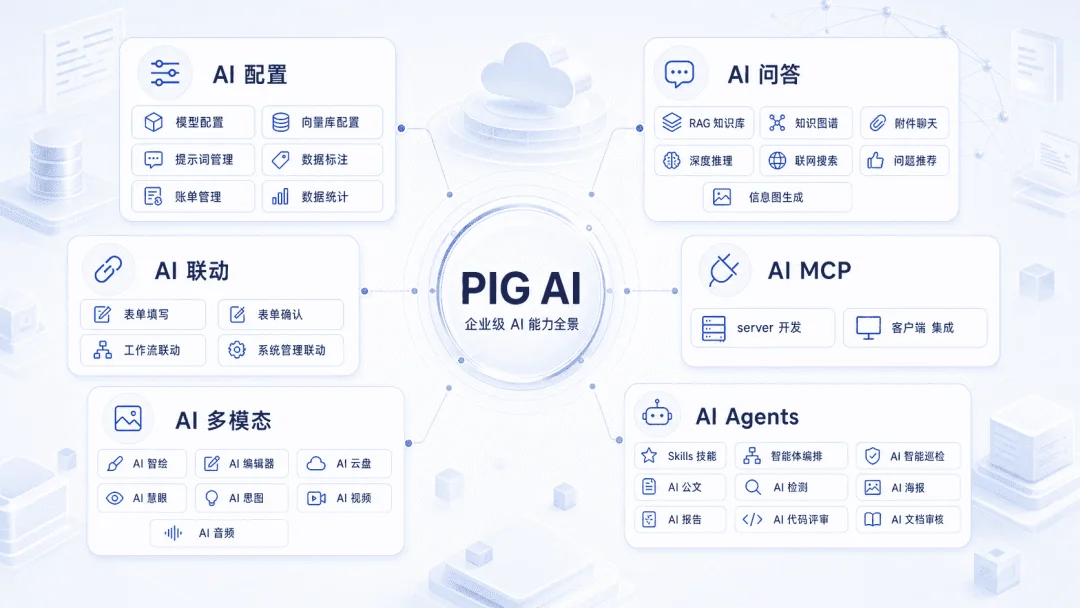
A product-operations reading of Spring AI 2.0: the real value is turning brittle model text into a controlled data pipeline.
A product and operations reading of Repo Prompt: the meaningful change is not just free access, but the recognition that context selection is a controllable layer in AI software delivery.
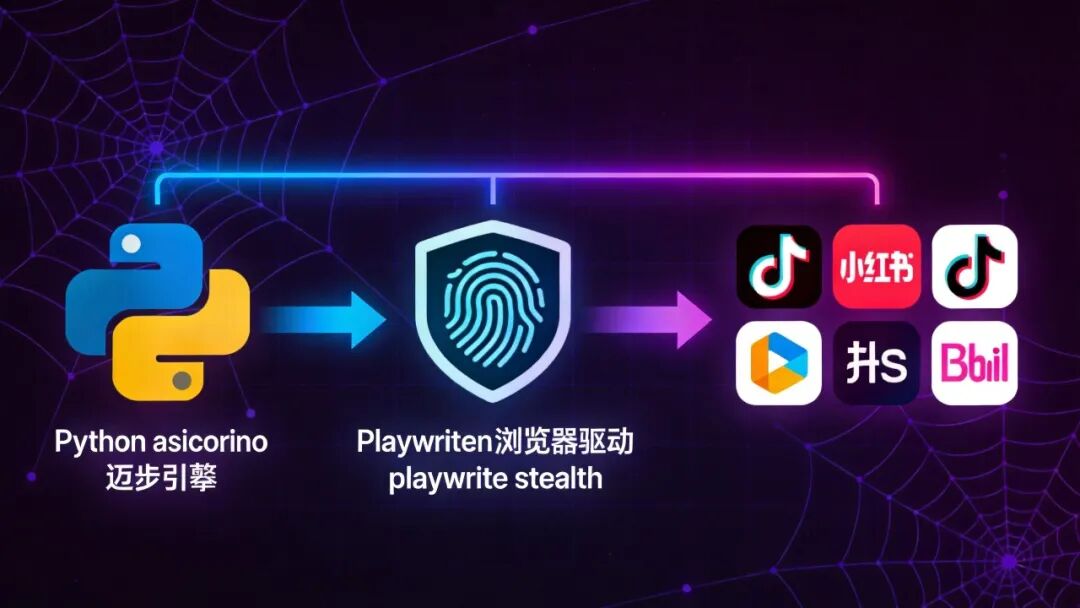
A product and operations reading of MediaCrawler: the interesting part is not just cross-platform collection, but the maintenance, authorization, and compliance burden that comes with it.
A product-operations view of 2026: the winning move is to expose repeatable business work as scripts and interfaces, not as another GUI layer.