LiteParse Is a Cost Boundary for Document AI, Not a Universal Parser
A practical look at LiteParse as a local-first document ingestion layer: where it saves cost, where complexity detection helps, and where heavier parsing is still necessary.
7 min
A practical look at LiteParse as a local-first document ingestion layer: where it saves cost, where complexity detection helps, and where heavier parsing is still necessary.
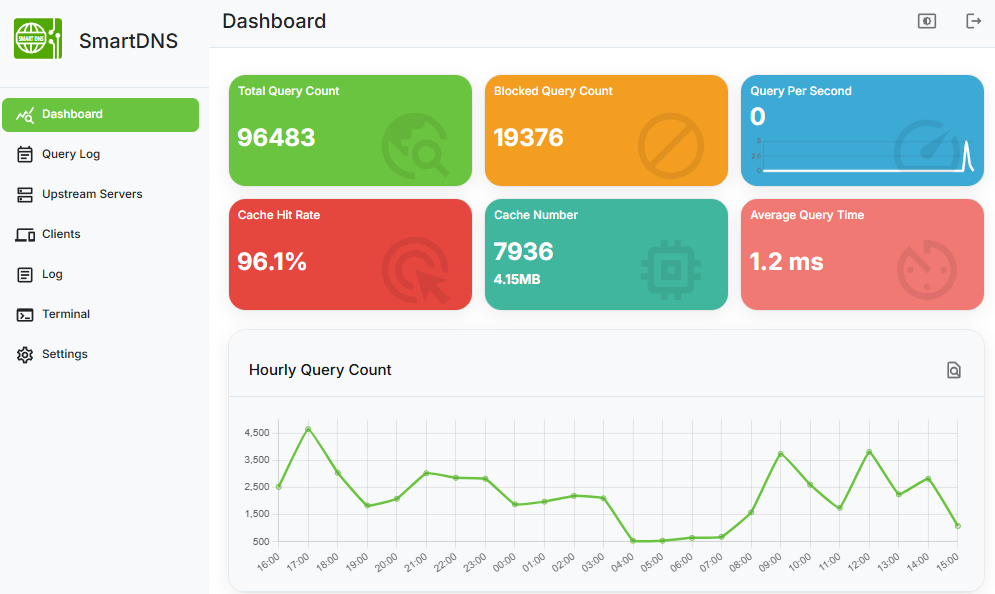
A practical checklist for deciding whether SmartDNS belongs in a router or home-lab network, with attention to measurement, topology, and failure modes.

Design galleries give agents examples, but Google Labs’ design.md shows why AI UI work also needs a formal, validated file format for design context.

Pixel2Motion is worth watching because it treats logo motion as a pipeline: raster source, clean SVG, animation, preview, and QA evidence.
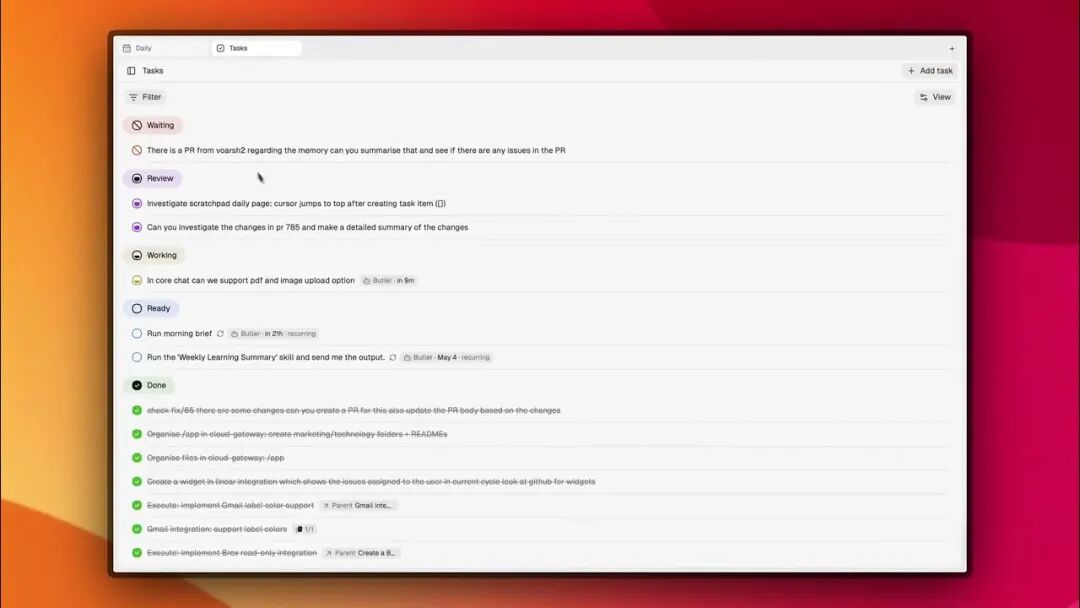
CORE’s architecture points to the operational issues every proactive assistant will face.
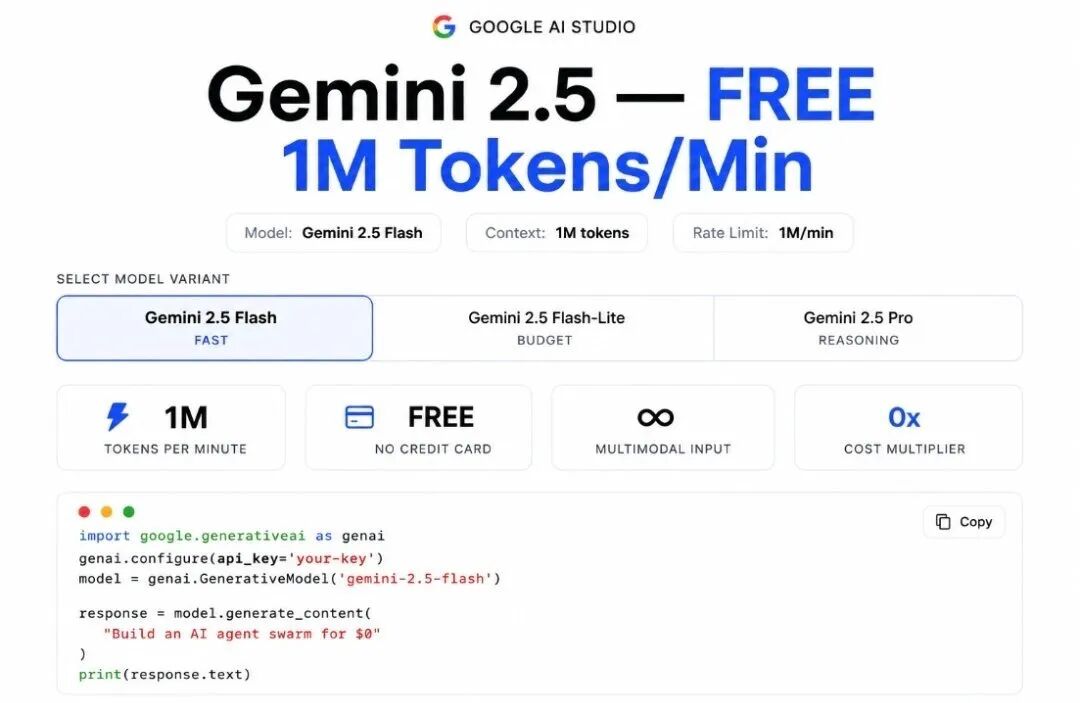
Gemini’s free tier shows how model providers buy developer attention, and why builders still need exit paths.
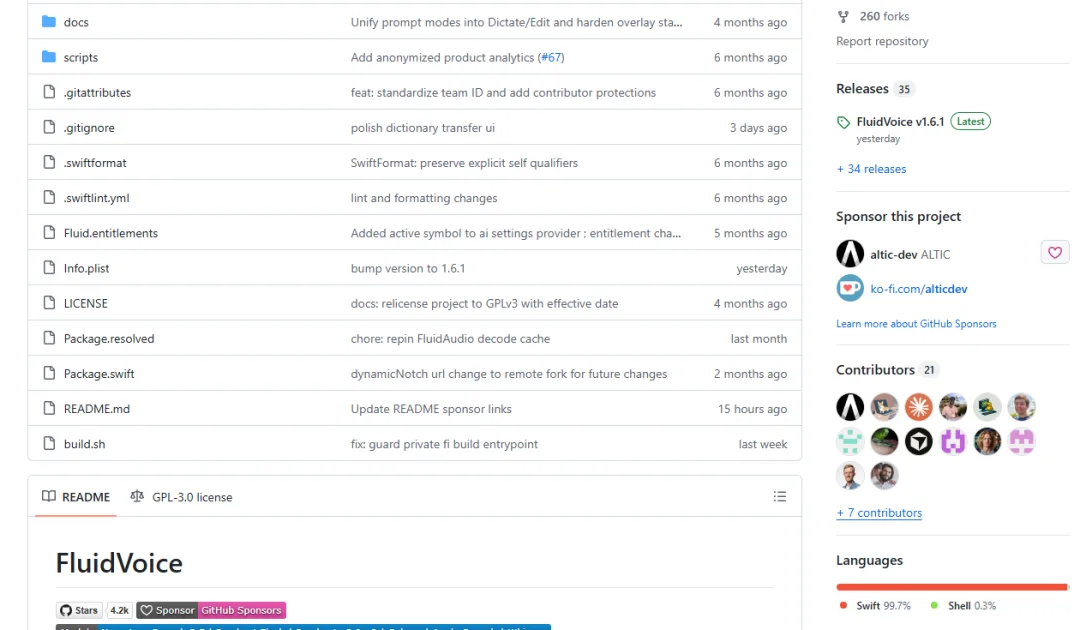
FluidVoice shows why privacy, latency, and app context matter more than raw transcription demos.
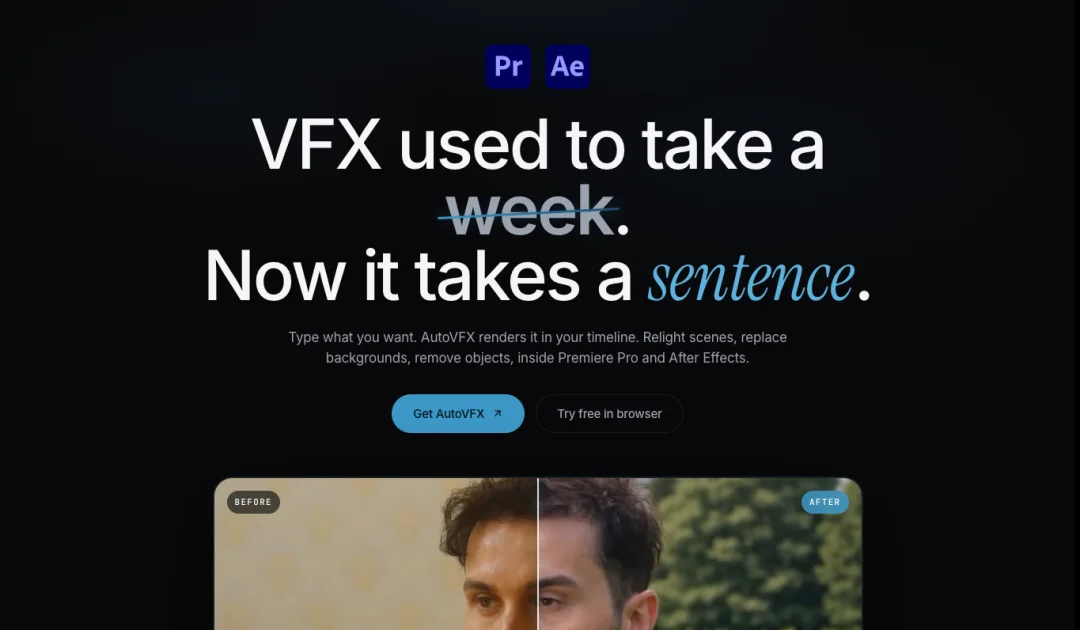
AutoVFX shows why professional workflow intent can be more valuable than mass traffic.

A product-operations view of Text-to-Lottie: the point is not only generation, but the preview-and-correct loop that makes small motion usable.
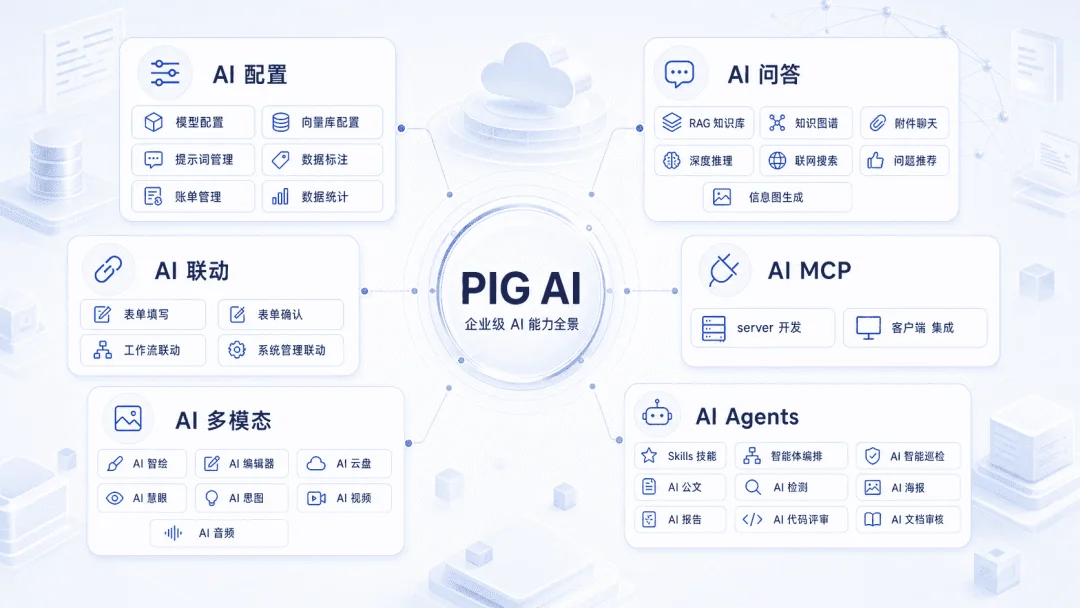
A product-operations reading of Spring AI 2.0: the real value is turning brittle model text into a controlled data pipeline.
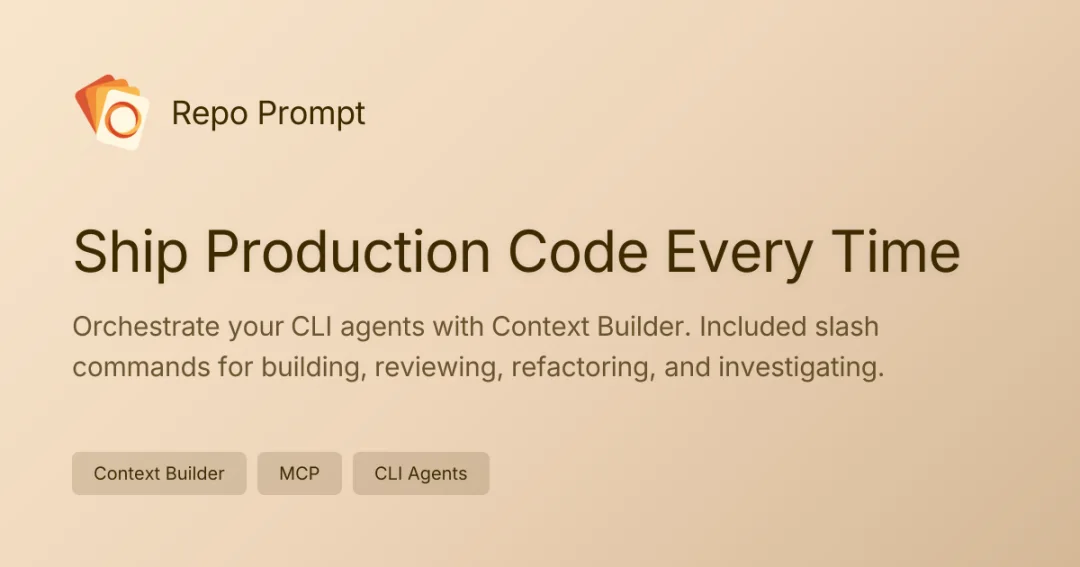
A product and operations reading of Repo Prompt: the meaningful change is not just free access, but the recognition that context selection is a controllable layer in AI software delivery.
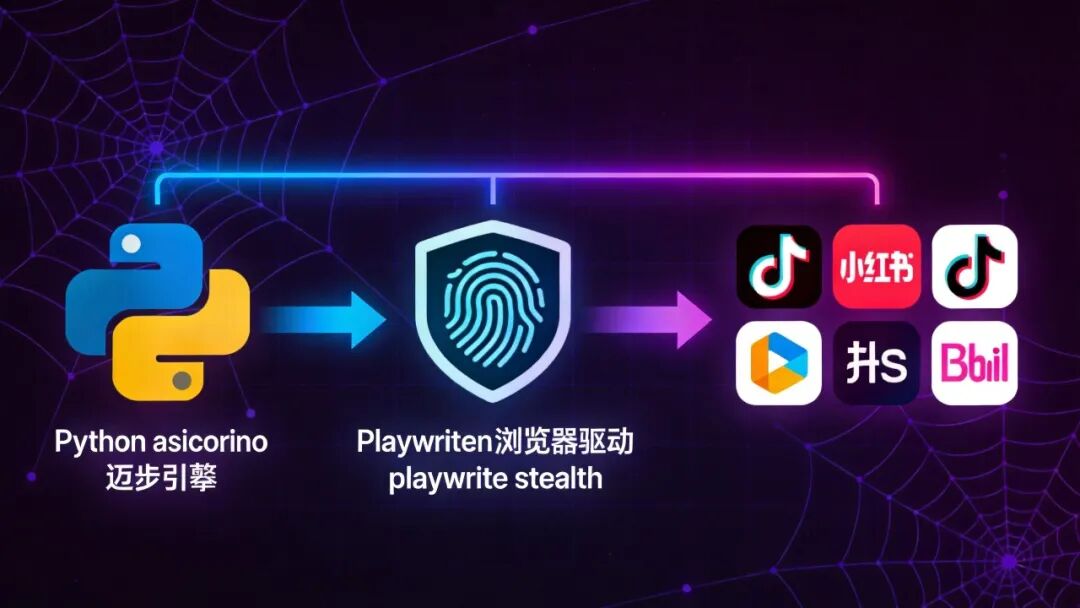
A product and operations reading of MediaCrawler: the interesting part is not just cross-platform collection, but the maintenance, authorization, and compliance burden that comes with it.
A product-operations view of 2026: the winning move is to expose repeatable business work as scripts and interfaces, not as another GUI layer.
A practical evaluation guide for CEO Bench, focused on long-horizon agent evaluation, operating boundaries, failure behavior, and production readiness.
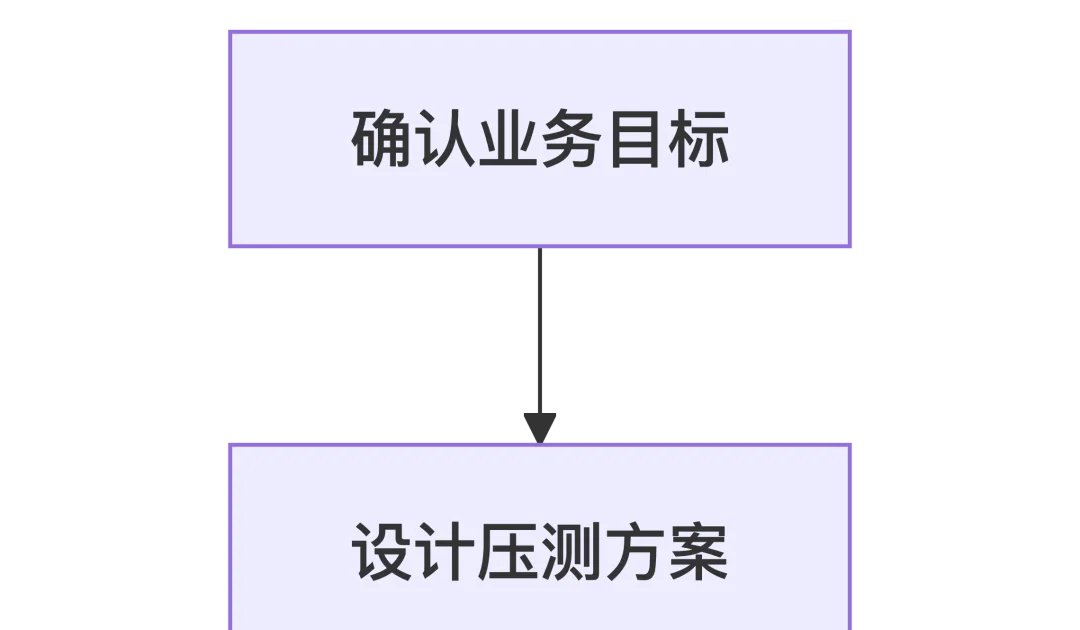
A product-operations view of AI-Locust: the framework matters because it turns benchmark execution into durable, reviewable, repeatable assets.

A product-operations view of OpenTag: the value is owning context, approvals, runtime, and model choice.
The product signal is not “free CapCut,” but an editor that agents and creators can automate.
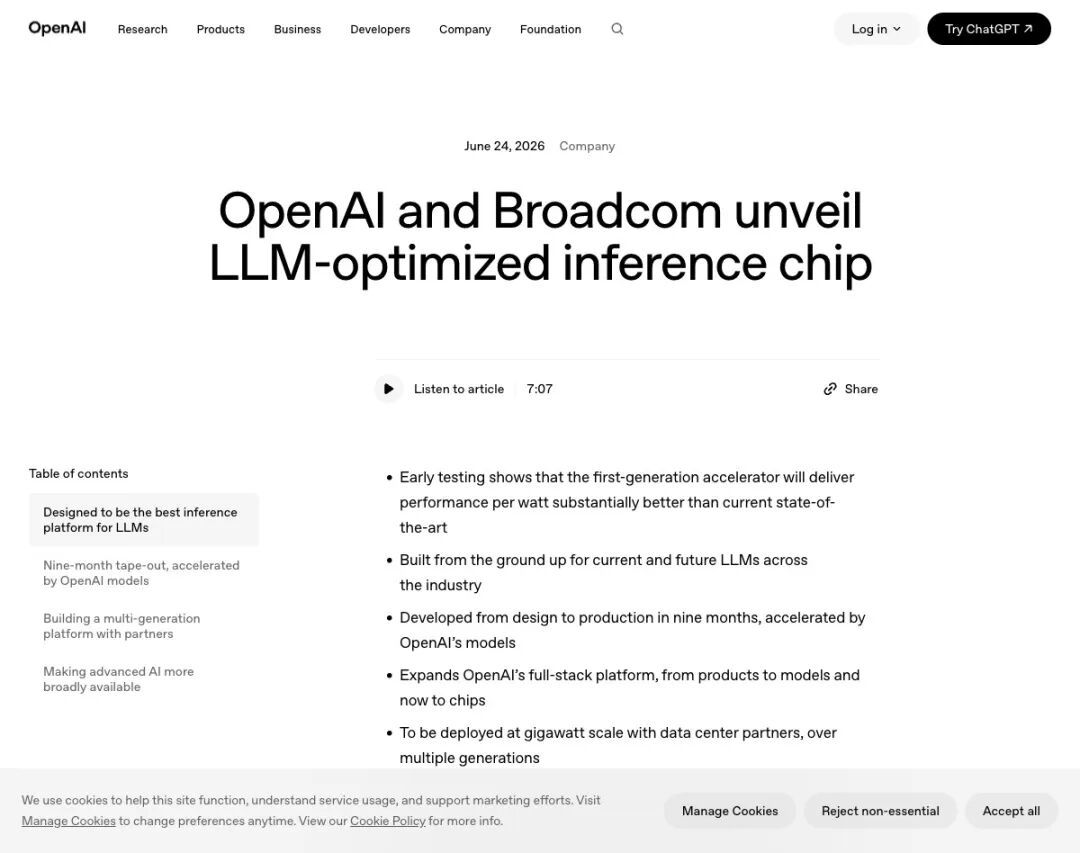
A product-operations reading: OpenAI needs custom inference economics more than a headline Nvidia rivalry.
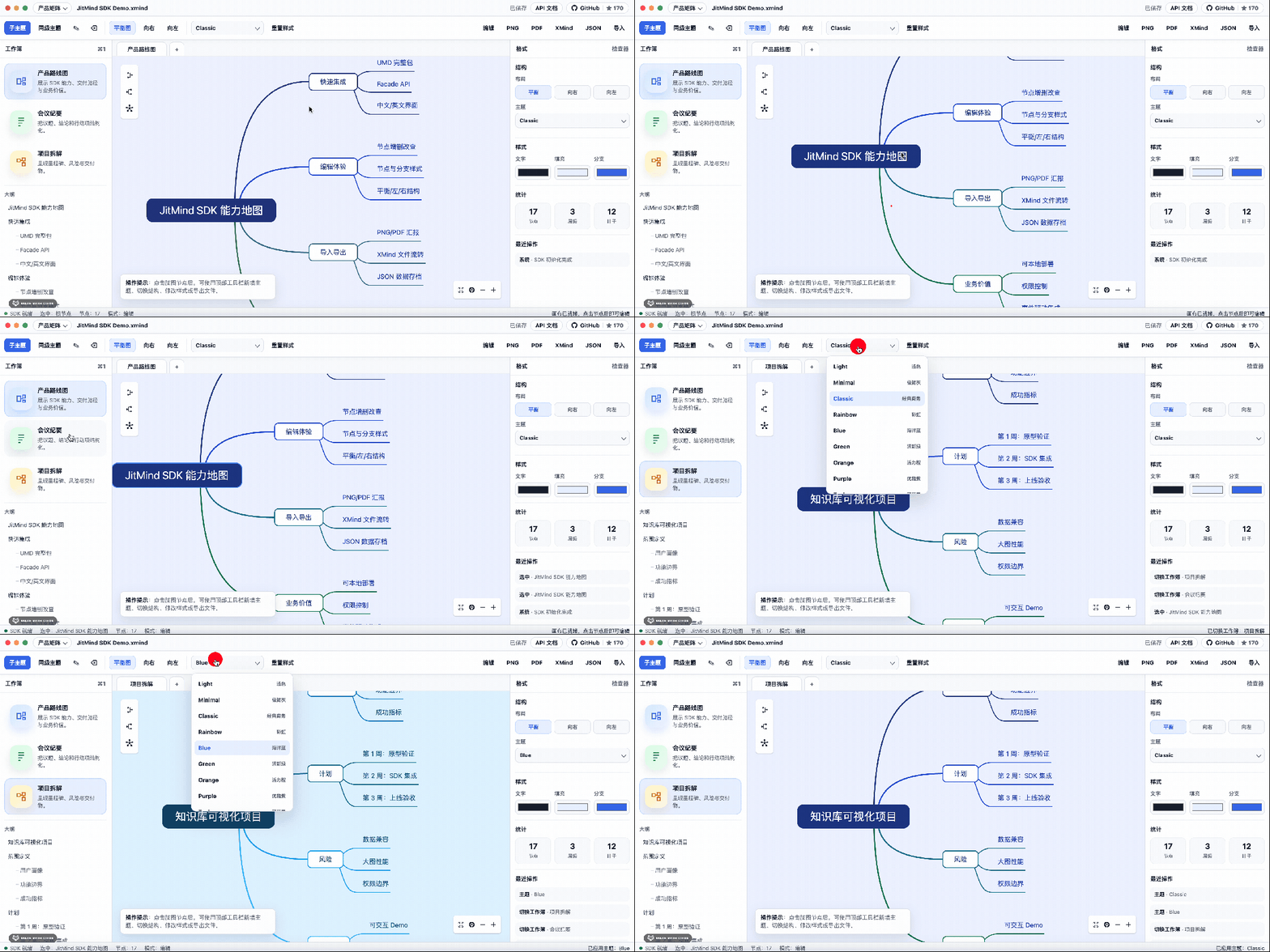
JitWord’s SDK shows how knowledge-structure editing can move from desktop tools into product workflows, AI documents, and team systems.

A product-operations look at Haven: low-cost IP mesh can support disaster response, off-grid communities, and field teams.