
Figma is moving AI design from outputs to operating methods
The important change is not prettier generated screens, but reusable tools built from team context and design judgment.
13 min
The important change is not prettier generated screens, but reusable tools built from team context and design judgment.
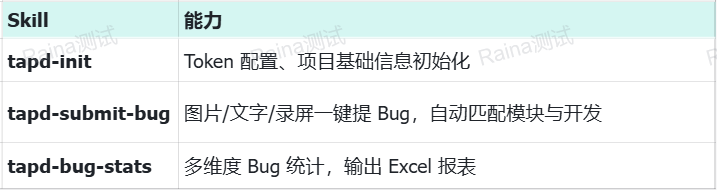
The value is not a generic Jira bot, but a governed skill chain for submission, confirmation, and statistics.
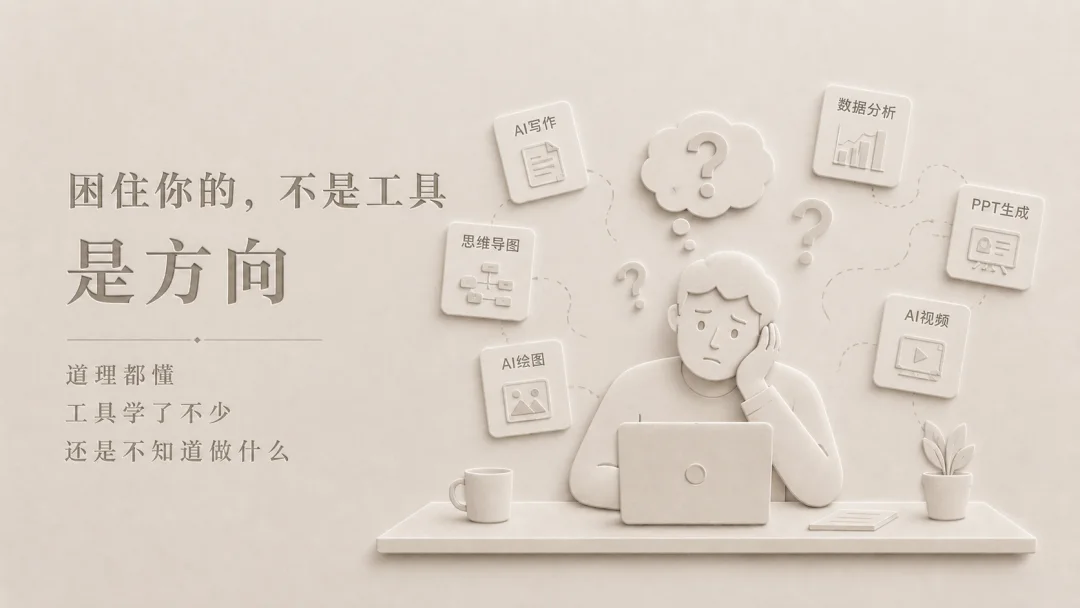
A pragmatic view: tools matter only after a person has a real problem, audience, and repeatable delivery path.
A practical evaluation guide for Java logging, focused on choosing Logback or Log4j2 for production services, operating boundaries, failure behavior, and production readiness.
A practical evaluation guide for D2, focused on diagram-as-code documentation, operating boundaries, failure behavior, and production readiness.
A practical evaluation guide for ByteChef, focused on AI workflow automation, operating boundaries, failure behavior, and production readiness.
A product-operations view of Flutter: the real gain is reducing multi-platform delivery drag, not pretending one codebase removes all platform work.
A practical evaluation guide for Apache Tika in Spring Boot, focused on document ingestion services, operating boundaries, failure behavior, and production readiness.
Teams are not rejecting modularity. They are rejecting a deployment model that turns every feature into distributed operations overhead.
A practical evaluation guide for Mistral OCR 4, focused on structured document AI, operating boundaries, failure behavior, and production readiness.
A practical evaluation guide for Claude Code commands, focused on repeatable coding-agent workflows, operating boundaries, failure behavior, and production readiness.
A practical evaluation guide for all-POST API design, focused on API style decisions, operating boundaries, failure behavior, and production readiness.
MoA should be used as an escalation path for risky agent work, not as the default way to make every answer longer.
A team Skill system defines what agents read, produce, verify, and write back so AI-assisted product engineering becomes governable.
A practical evaluation guide for SGLang, focused on LLM inference serving, operating boundaries, failure behavior, and production readiness.
OpenSpec turns vague AI coding requests into reviewable Change artifacts, giving long-running agents a safer control surface.
A local coding agent stack needs operational boundaries around model serving, harness behavior, filesystem access, telemetry, and rollback.
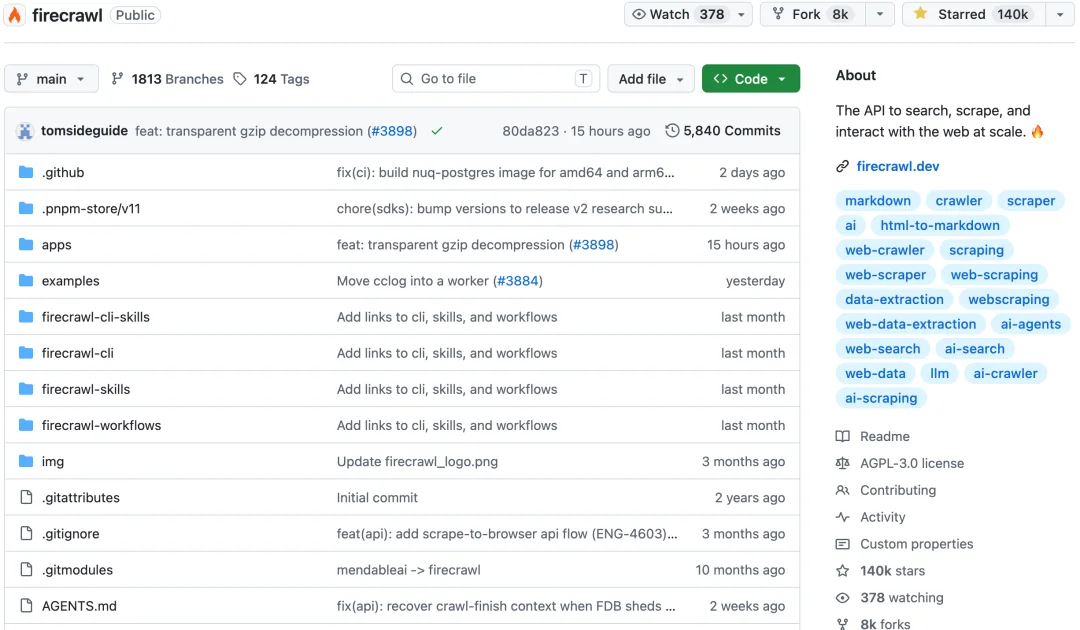
A product-operations view of Firecrawl: search, scrape, crawl, structure, and screenshot web data so agents can run recurring research and monitoring workflows.
A product-operations take on loop-driven development: the real challenge is not making agents run longer, but defining completion, risk zones, stop rules, and accountability.
A product-operations view of Hermes MoA: multi-model reasoning is useful when it becomes a review checkpoint for high-risk agent work, not a default way to make every answer longer.