Pixel2Motion Turns Logo Animation Into a Repeatable Workflow
Pixel2Motion is worth watching because it treats logo motion as a pipeline: raster source, clean SVG, animation, preview, and QA evidence.
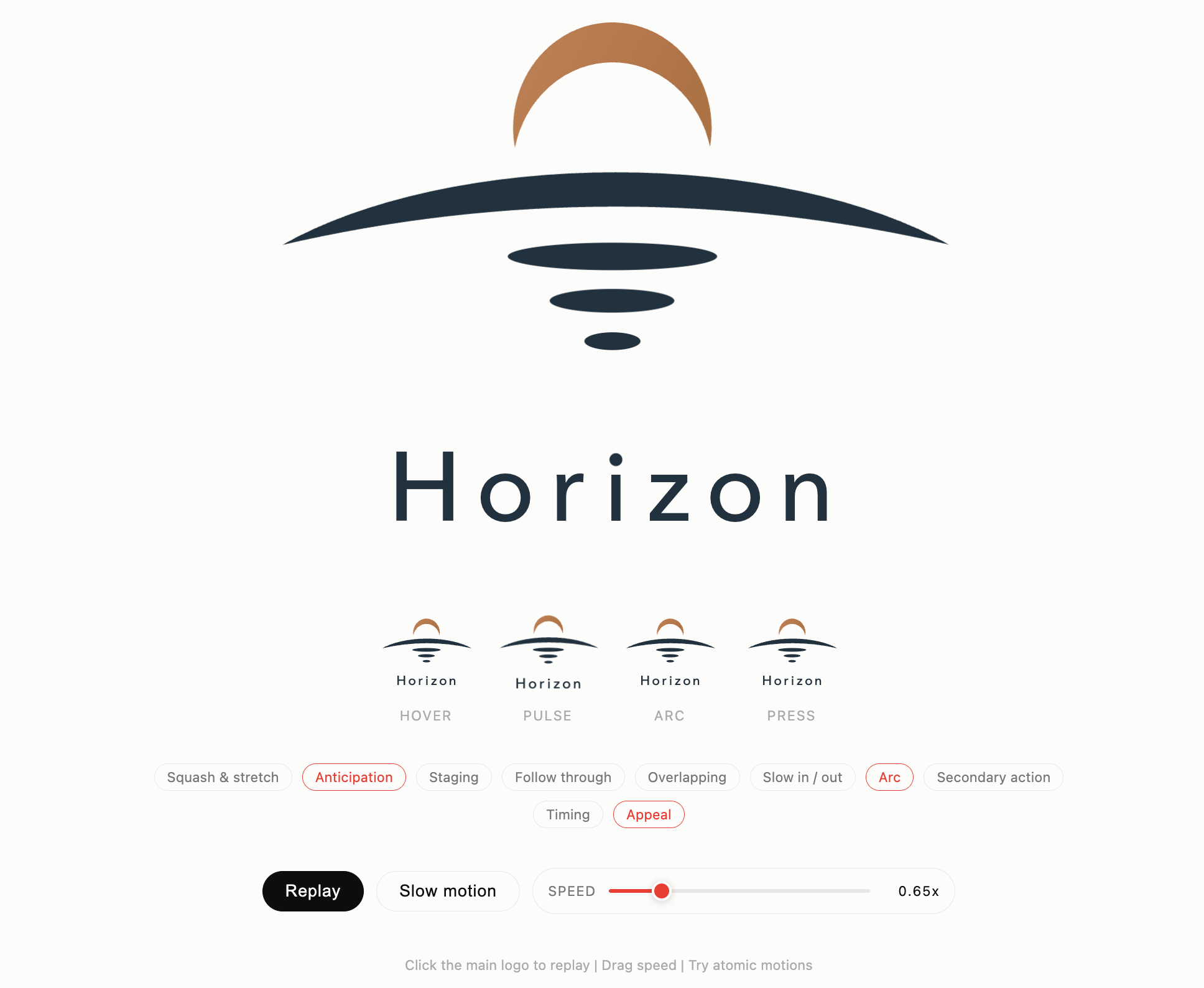
Pixel2Motion is interesting because it refuses to treat logo animation as a one-shot prompt. Instead, it turns the job into a workflow: raster source, clean SVG reconstruction, motion authoring, HTML preview, and QA evidence.
That matters because logo motion is not just “add some movement.” If the mark is slightly off, the baseline is wrong, or the reveal timing feels cheap, the result looks unfinished no matter how flashy the animation is. Pixel2Motion is built around that reality.
What the project actually packages
The repo describes the output as a raster logo to smooth SVG to SVG logo animation to interactive HTML motion demo chain. That chain is the interesting part. It means the motion is not trapped inside a transient generator output; it is a set of assets you can review, version, and hand off.
- logo.svg for the final static vector
- motion.css for choreography against semantic SVG ids
- logo_motion.html for replayable preview and speed control
- motion_spec.md for timeline, easing, and QA notes

Why this is better than a prompt
A plain prompt can describe a motion style, but it cannot guarantee structure. A workflow can. Once the SVG is clean and the semantic parts are stable, the animation can be authored against real ids instead of guessed geometry. That is what makes the system reusable for logos, brand marks, and small motion pieces.
If you care about brand motion or developer-friendly motion design, this is the right kind of project to study. It is not trying to be an all-purpose design suite. It is trying to make one narrow motion task repeatable enough to trust.
Logo animation becomes maintainable when the workflow preserves source quality and review evidence. A useful Pixel2Motion-style pipeline should keep the original raster or vector asset, the cleaned SVG, animation parameters, preview output, and notes about visual compromises. That matters because motion defects are often subjective: a path may wobble, a stroke may reveal in the wrong order, or a tiny brand detail may disappear during vectorization. The boundary is that automation can accelerate exploration, but it should not become the final brand authority. Designers still need to check legibility at small sizes, background contrast, loop behavior, file weight, and whether the animation matches the tone of the product. Verification should include at least one static fallback, one light and dark background preview, and a handoff package that another teammate can regenerate. The deliverable is a repeatable motion asset, not only a generated clip.