MediaCrawler should be read as a product-operations warning: collection power without governance becomes liability
A product and operations reading of MediaCrawler: the interesting part is not just cross-platform collection, but the maintenance, authorization, and compliance burden that comes with it.
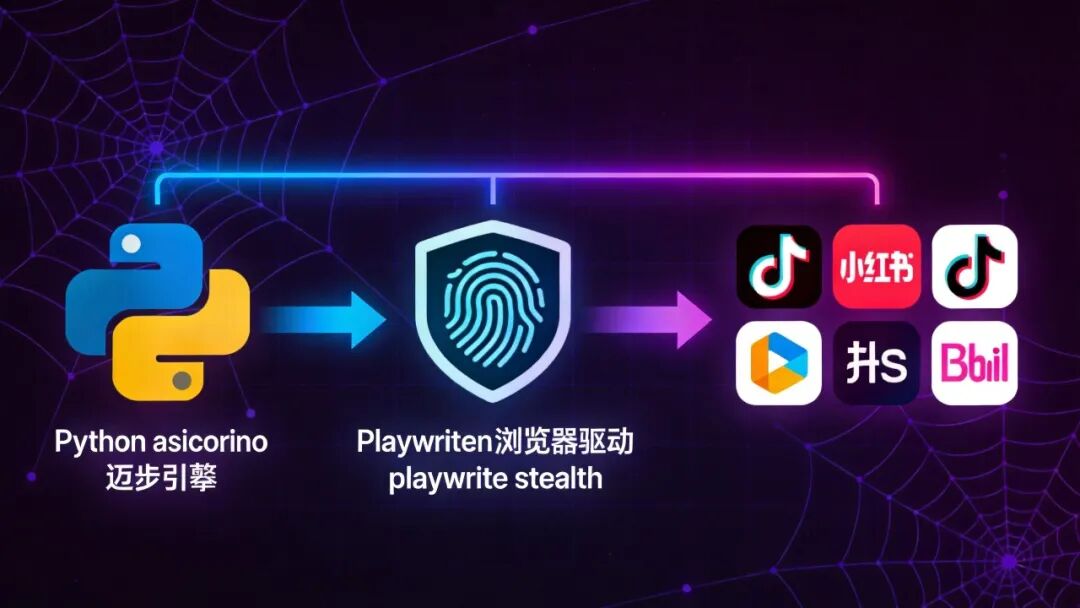
MediaCrawler is easy to frame as a powerful open-source collector for multiple social platforms. From a product and operations standpoint, that is not the most important takeaway. The more important takeaway is that systems like this turn data collection into an operational capability, and operational capabilities require governance. Once a team can reliably gather content across several platforms, the hard questions shift from “can we fetch it?” to “are we authorized, how much should we collect, how often should we access the source, who can use the output, and how do we retire the data?”
The product value is real, but so is the operating burden
There is a clear reason frameworks like MediaCrawler attract attention. Social content is fragmented across platforms, each with different rendering models, login expectations, anti-bot measures, and content structures. Teams doing research, brand monitoring, or authorized analytics do not want a separate fragile script for every source. A unified framework promises lower implementation friction and more reusable collection logic.
The source material outlines support for several major platforms and a stack built around Python asyncio, Playwright, login-state handling, proxy support, and structured export. That is enough to make the project technically relevant. It reflects how modern collection systems often need real browser execution rather than simplistic request replay. It also shows why maintenance is not an edge concern but part of the design from day one.
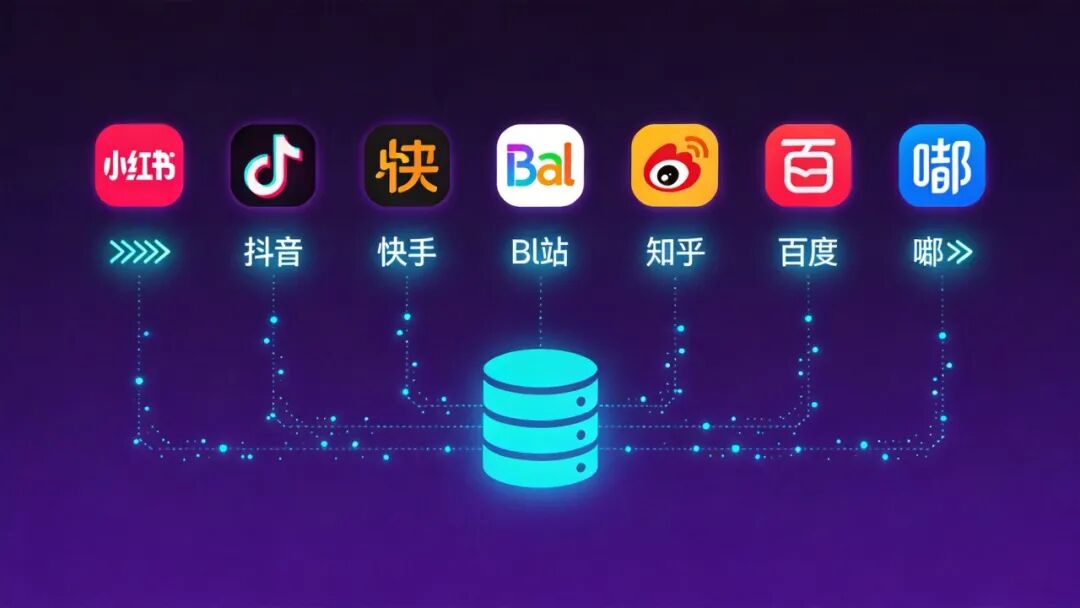
Where operations teams should focus
The technical details are only the first layer. The operational question is whether the system is controlled. A collector that depends on browser automation, cookies, proxies, and evolving platform behavior will always carry maintenance cost. Sessions expire, anti-automation logic changes, interfaces shift, and account health can deteriorate. If the workflow becomes business-critical, the cost of keeping it stable rises quickly.
Operations teams also need to think beyond uptime. They need source legitimacy, retention policy, access control, auditability, and incident handling. If a system ingests user-generated content or identifiers at scale, privacy and compliance review are not optional. The collector may be open source, but the liability sits with the operator.
The governance checklist matters more than the feature list
- Use official APIs or licensed sources first whenever those paths exist.
- Require a documented purpose before enabling collection on any platform.
- Minimize fields to what the workflow actually needs.
- Apply conservative rate limiting rather than maximizing throughput.
- Define retention, deletion, and access controls as part of launch criteria.
- Review platform terms and legal constraints before operational use.
This checklist is not bureaucracy for its own sake. It is what separates a controlled data workflow from a future incident.

Why this category is frequently underestimated
Teams often underestimate projects like MediaCrawler because they compare the effort of running a demo against the value of immediate output. That comparison ignores the longer curve. Data pipelines tied to third-party platforms inherit instability from those platforms. Compliance obligations grow as soon as the output is stored, joined with other systems, or used to inform decisions. The cost profile therefore shifts from development effort to ongoing operations, review, and risk management.
That does not make the project uninteresting. It makes it more important to evaluate honestly. MediaCrawler is a useful window into the realities of cross-platform collection, but it should not be read as justification for aggressive or unauthorized scraping. It should be read as a reminder that collection capability without governance quickly becomes organizational exposure.
The practical product takeaway
For product and operations teams, the right question is not whether MediaCrawler is clever. It clearly is. The right question is whether the organization has a legitimate, authorized, narrow, and controllable use case that can support the maintenance and compliance burden that comes with this class of tooling.
That is why MediaCrawler matters. It shows that the success of a social-data collection system is measured not only by technical reach, but by whether the organization can govern access, purpose, rate limits, and retention responsibly.