Mind maps are becoming an embeddable layer, not a standalone app
JitWord’s SDK shows how knowledge-structure editing can move from desktop tools into product workflows, AI documents, and team systems.
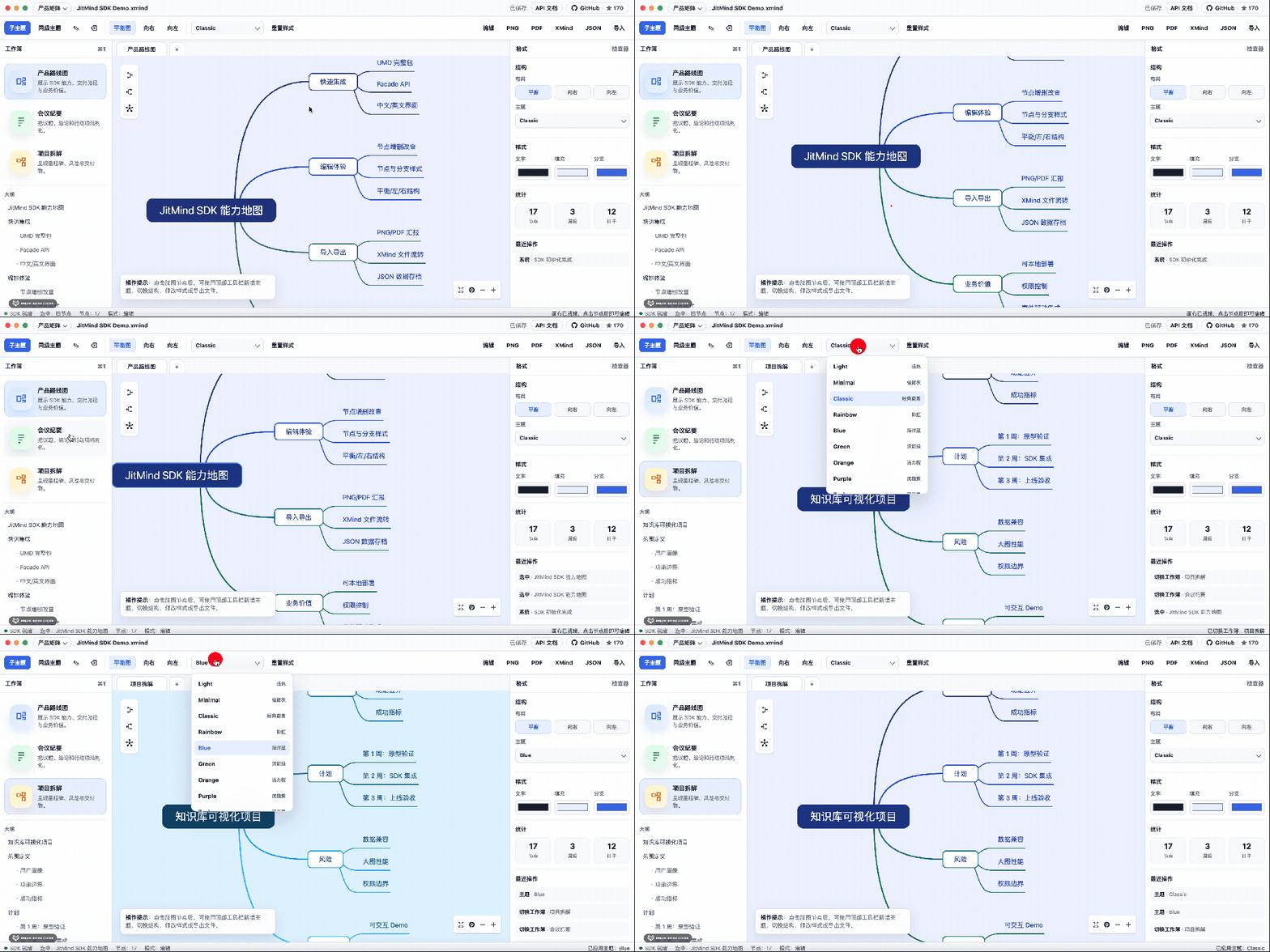
Mind maps are most useful when they stop being a separate desktop application and become an embeddable editing layer inside real products. JitWord’s open-source, framework-agnostic mind map SDK is interesting for that reason: it turns structured knowledge editing into a component that can live inside documents, knowledge bases, education tools, and AI workspaces.
Why this deserves more than a short summary
Many products need hierarchical thinking: research maps, project breakdowns, document outlines, RAG navigation, learning paths, and collaborative notes. Teams often choose between a closed commercial component and a fragile internal tree editor. A plain JavaScript SDK that works across React, Vue, Angular, or vanilla pages can reduce the cost of adding a serious structure editor.
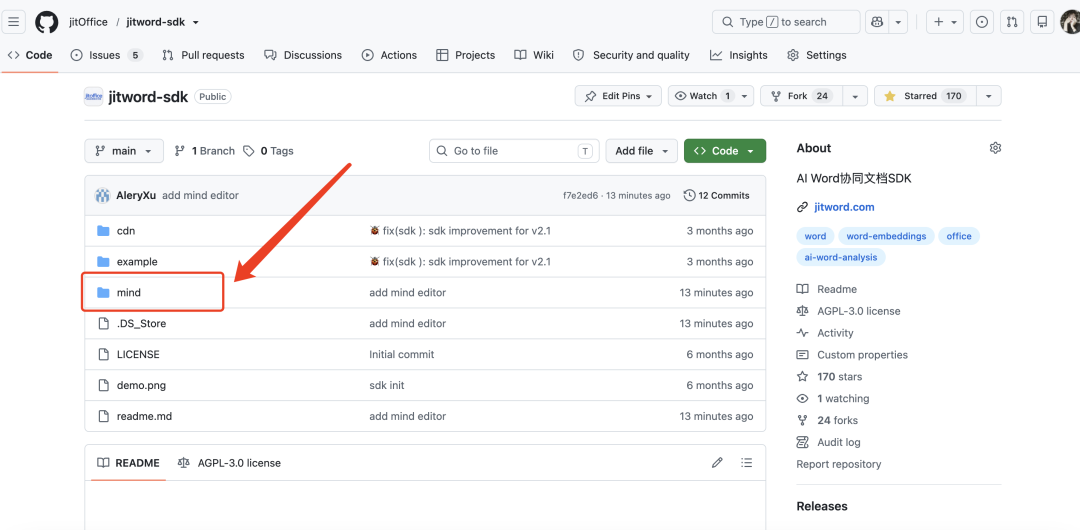
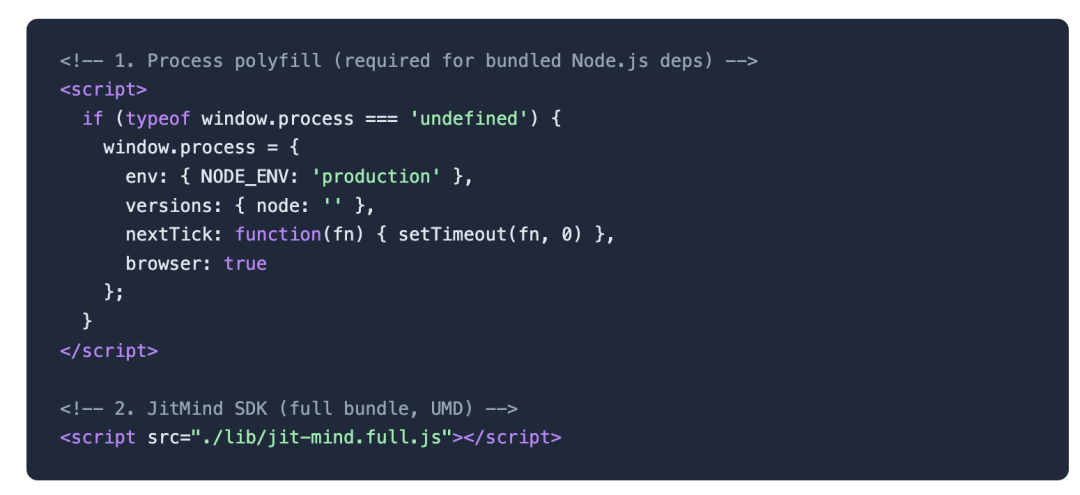
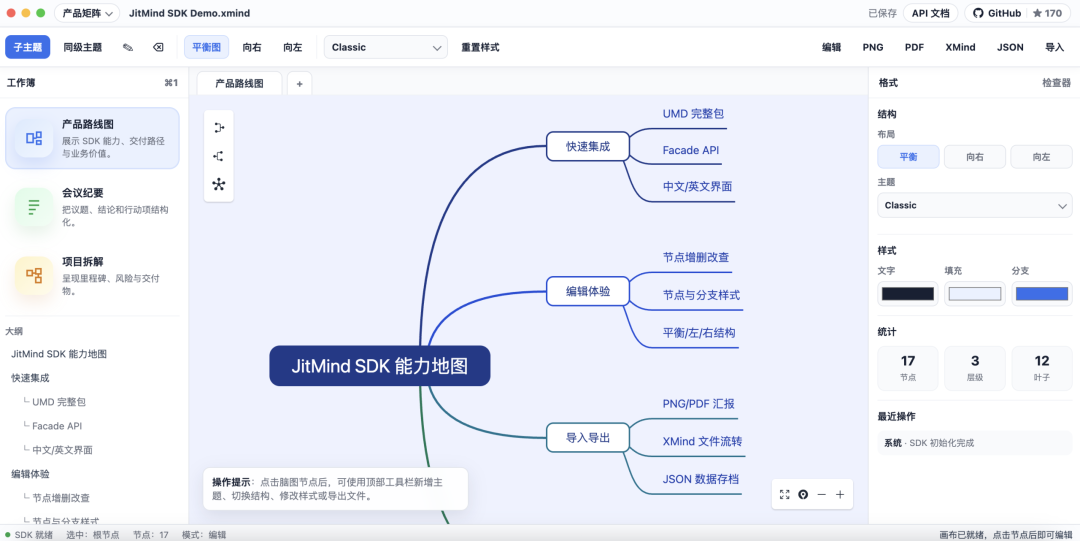
The source material shows a GitHub repository, API documentation, UMD integration, theme switching, PNG/PDF export, possible CRDT collaboration, and AI mind-map generation. The larger point is that AI creates more text than people can comfortably read. Products now need tools that compress generated material back into navigable structure.
The real change is the operating model
From an operations perspective, the operating model changes from “draw a map elsewhere” to “structure knowledge where the work already happens.” A meeting summary can become a task tree; a research dump can become a topic map; a knowledge base can expose its shape rather than only search results.
- Framework independence reduces lock-in to any single frontend stack.
- Export support lets maps travel into reports, slides, documentation, and archives.
- Themes and layout APIs allow product teams to preserve their own visual system.
- Change events make the map data searchable, syncable, permissioned, and AI-readable.
- CRDT-style collaboration can turn personal maps into team knowledge artifacts.
What to evaluate before adopting it
A mind map SDK should be evaluated like a long-lived editor, not like a nice demo.
- Stability of the underlying data model and migration path.
- Performance with hundreds or thousands of nodes, especially on mobile.
- Completeness of commands, events, theme control, keyboard support, and i18n.
- Support for read-only states, permissions, comments, history, and collaboration.
- License clarity, release cadence, and maintainability for commercial products.
Risks and practical adoption path
The hard parts are not visible in a screenshot: layout algorithms, undo/redo, large-map performance, IME input, collaboration conflicts, and export fidelity. If a product only needs a static picture, this may be overkill. If it needs knowledge production, it should be evaluated as a core editor.
- Pilot it in one concrete workflow such as AI-summary-to-map or project retrospectives.
- Store map data as structured JSON, not only as exported images.
- Define how maps relate to documents, tasks, and knowledge-base entities.
- Keep export as an output path, not the only source of truth.
Operations bottom line
JitWord’s SDK matters because it makes structured knowledge editing portable. AI can generate the raw material; an embedded mind map can organize it; the product can turn both into a repeatable workflow.