Bug reporting is a high-frequency workflow that deserves specialized automation
The value is not a generic Jira bot, but a governed skill chain for submission, confirmation, and statistics.
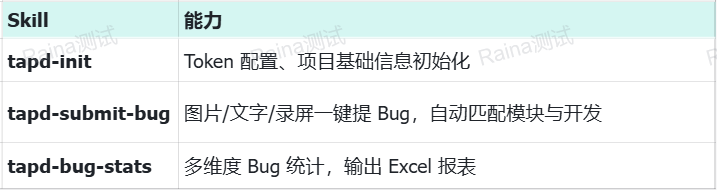
For product and operations teams, bug management is not only a QA chore; it is a coordination system. Every ticket changes priorities, assigns responsibility, records evidence, and feeds quality metrics. That makes it an ideal place for task-specific skills, provided the automation is designed around governance rather than around a flashy one-command demo.
The product problem behind bug filing
A bug report is a small product artifact. It has a user, a problem statement, reproduction steps, evidence, severity, ownership, and status. If the artifact is incomplete, development wastes time. If it is exaggerated, planning becomes distorted. If it is hard to aggregate, leadership loses visibility. A skill should improve the quality of this artifact, not merely accelerate the act of creating it.
That is why the TAPD, ZenTao, and Jira pattern is compelling. It separates setup, submission, and statistics. It keeps credentials in environment variables, moves business rules into configuration, and leaves the final submission decision to a human. This is closer to an operational system than a script, and it is much easier to maintain across teams.
Where skills create leverage
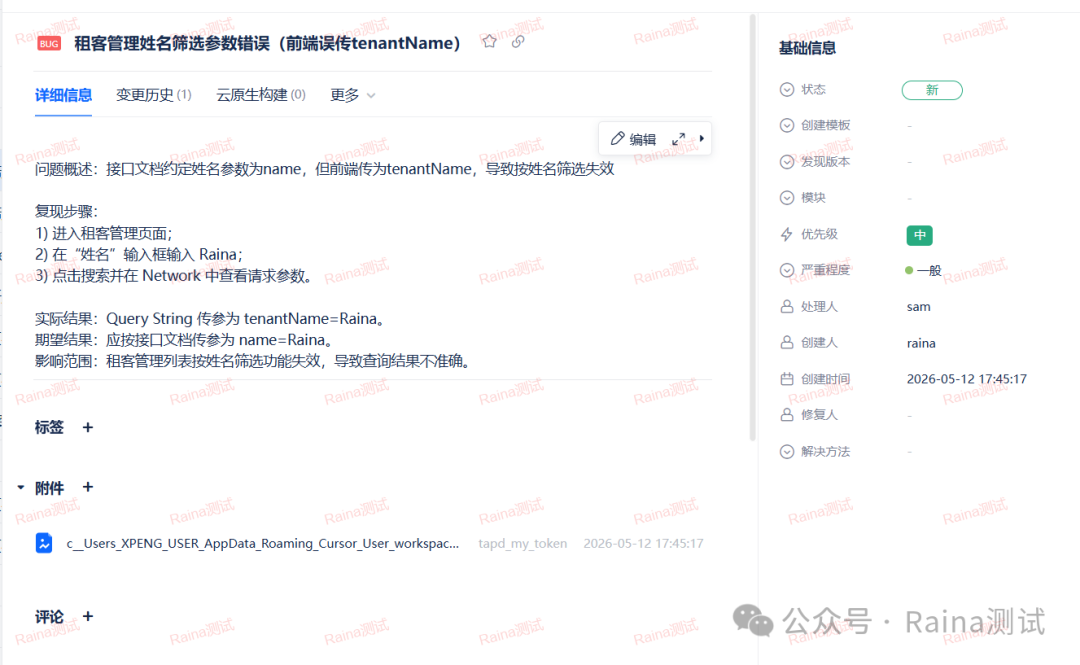
The biggest gains come from standardizing the parts that teams repeat but rarely document well. A tester can provide a short description, screenshots, logs, and context. The skill can normalize the record, suggest fields, identify missing evidence, map ownership, and prepare a preview. This turns the tracker from a manual form into a controlled intake process.
- Submission skills reduce field friction and enforce a consistent structure.
- Attachment skills preserve screenshots, logs, recordings, and environment details in the correct place.
- Routing rules connect modules, components, and owners without relying on memory.
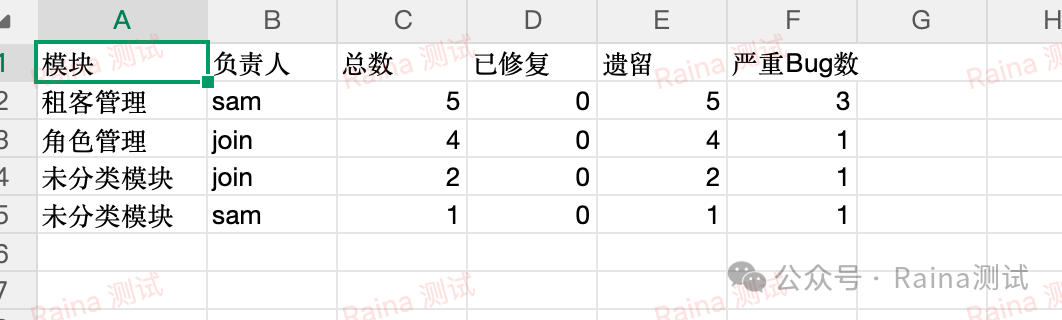
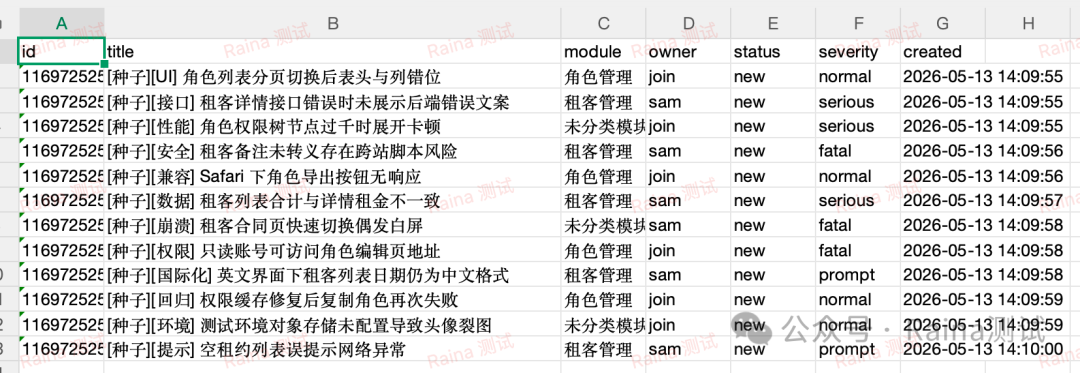
- Statistics skills generate Excel sheets, trend summaries, and issue breakdowns for weekly reviews.
- Confirmation gates preserve accountability when AI drafts or classifies anything important.
Governance checklist
Before adopting such skills, evaluate the workflow as a controlled business process. A bug tracker is a source of truth; automation that writes to it must be observable, reversible where possible, and aligned with team policy.
- Which fields are safe to auto-fill, and which require explicit confirmation?
- How are severity, priority, component, and owner rules reviewed when the organization changes?
- Does the platform API support the team’s custom fields, attachments, status transitions, and legacy projects?
- Where are credentials stored, and how are permissions limited for automated actions?
- Can generated statistics be traced back to the underlying tickets and exported for reviews?
Rollout path
A sensible rollout begins with read-only and draft modes. Let the skill prepare tickets and reports, but require a person to approve every write. Once the team trusts the field mapping and evidence handling, selected low-risk actions can be automated further.
- Start with read-only statistics to validate API access and reporting definitions.
- Add draft bug creation with mandatory human review.
- Introduce configurable routing rules for one project or component family.
- Compare generated reports with existing manual weekly reports for several cycles.
- Expand only after logs, permissions, and recovery procedures are understood.
Conclusion
Bug-management skills work best when they are treated as an operations layer over TAPD, ZenTao, Jira, or similar platforms. They should make defect data cleaner, faster to route, easier to summarize, and more trustworthy—not merely easier to submit.
