Production Agents API adoption is a systems problem, not an SDK integration
A practical operating model for putting Agents API workflows into production: control planes, execution environments, tools, context, budgets, evidence, and human ownership.
OpenContext presents a personal context store for coding agents. The practical question is how to control stale decisions, poisoned notes, privacy exposure, retrieval scope, write-back review, and rollback.
A practical guide to handling special requests without turning them into shadow policy.
Manager praise is noisy data. A better way to read work is to examine decision rights, response latency, attribution, risk allocation, and the career opportunities that follow.
How CFOs and CTOs should design controlled trials for enterprise AI, measure transferred costs, and avoid mistaking local speedups for net value.
A practical evaluation of live search, browser-rendered fetch, MCP integration, rate limits, and production safeguards.
A practical look at solo-skills, its reusable SKILL.md workflows, scripts, failure notes, and safe adoption boundaries.
A production-minded evaluation of Piper local TTS: model lifecycle, latency measurement, API choices, licensing, and operational limits.
An evidence-aware look at Mojo as an infrastructure language: what open sourcing changes, where interoperability stops, and how to evaluate it safely in production AI systems.
A practical operations review of Palmier Pro: local MCP networking, project safety, build gates, cost boundaries, and recovery from agent mistakes.
An operations-focused guide to OpenMAIC, covering providers, offline exports, persistence, render capacity, and security gates.
Hermes v0.20.5 makes keyless models and web search easier to try, but durable agent operations still depend on evidence, permissions, and fallback design.
A practical look at Embabel, GOAP planning, typed actions, and operational checks for JVM teams.
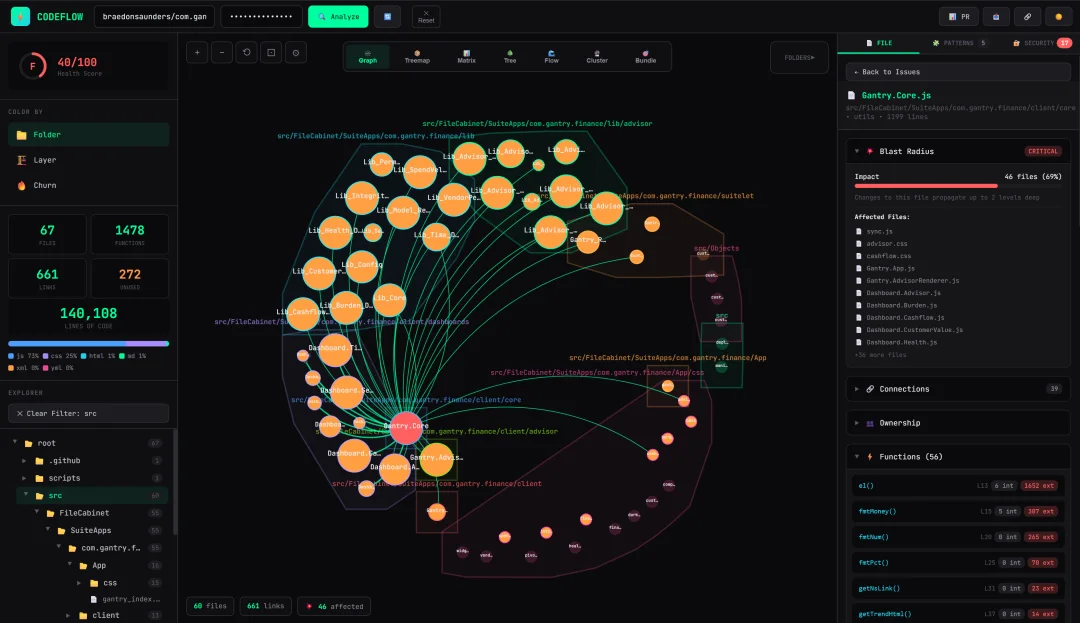
A governance-oriented evaluation of local code graphs, benchmark limits, data boundaries, and PR review gates.
QUIC avoids some protocol ossification, but it changes observability, CPU, fallback, and edge operations.
Judge Cursor Origin by reviewability, merge state, source-of-truth rules, recovery, and ecosystem compatibility.
A practical operations guide to rendering quality, index backends, resource budgets, evaluation reproducibility, and rollback for visual retrieval.
A staged rollout and operations guide for Agent Reach, covering shell permissions, desktop/server differences, health checks, provenance, and failure handling.

A factual review of browser-only repository analysis across public, private, and local modes, with focus on token scope, vendored dependencies, scanner limits, dynamic import blind spots, and a safe trial plan.
Simulation, evals, and guardrails can expand coverage, but teams still own policy, golden sets, false-positive budgets, privacy, auditability, and rollback.